· Lunara Atelier · Fabric notes · 2 min read
Lace, mesh and satin: a short guide to lingerie fabrics
Why one lace scratches and another does not, what "silk-touch satin" actually means, and the one fabric that survives twenty washes without pilling.
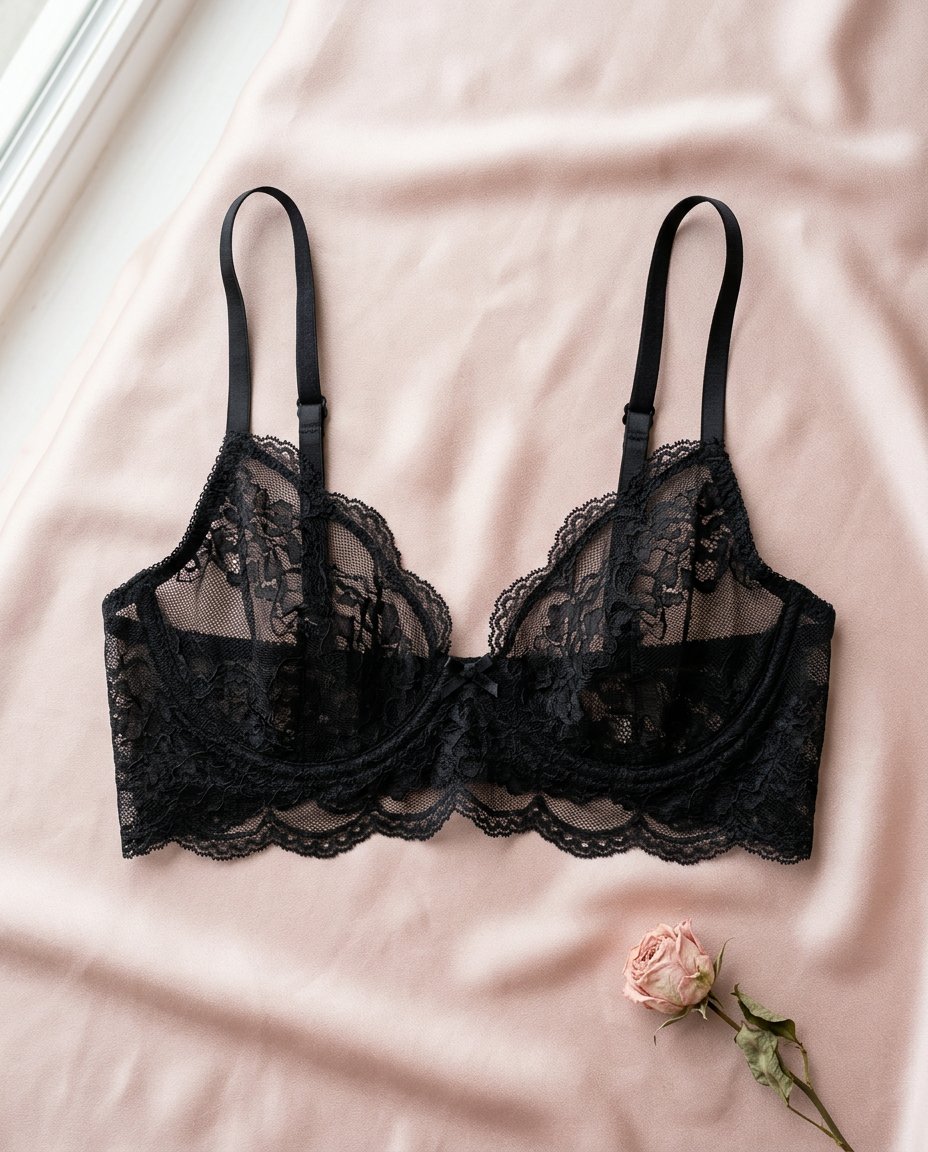
Two bras can look identical in a photograph and feel completely different against the skin. Fabric is why.
Stretch jacquard lace
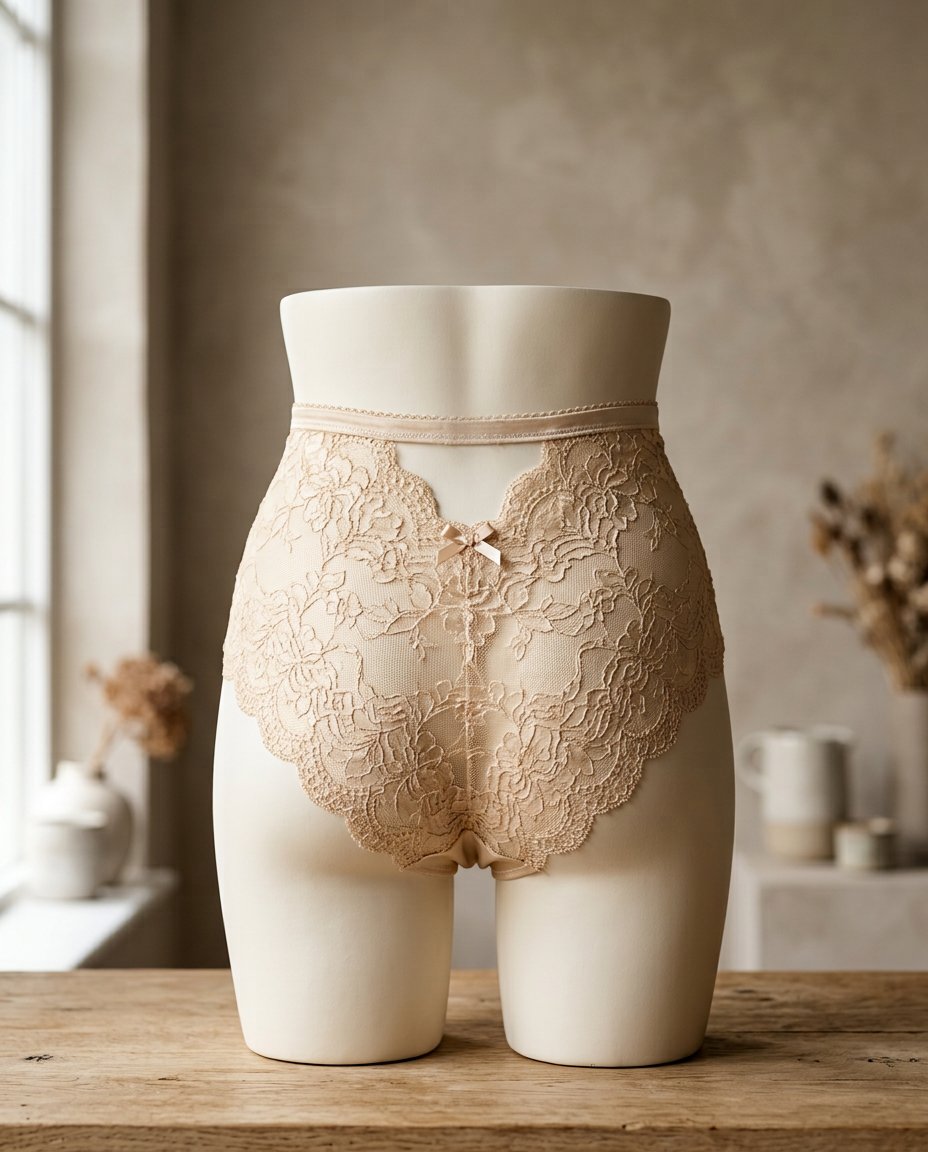
The lace we use is knitted, not woven: nylon and elastane loops that stretch in every direction. Knitted lace recovers its shape after washing and, crucially, the edges can be laser-cut so there is no seam to press into your ribs. Cheap lace is often a rigid woven panel bonded to elastic — it photographs well and feels like sandpaper by 4pm.
Fine-gauge mesh
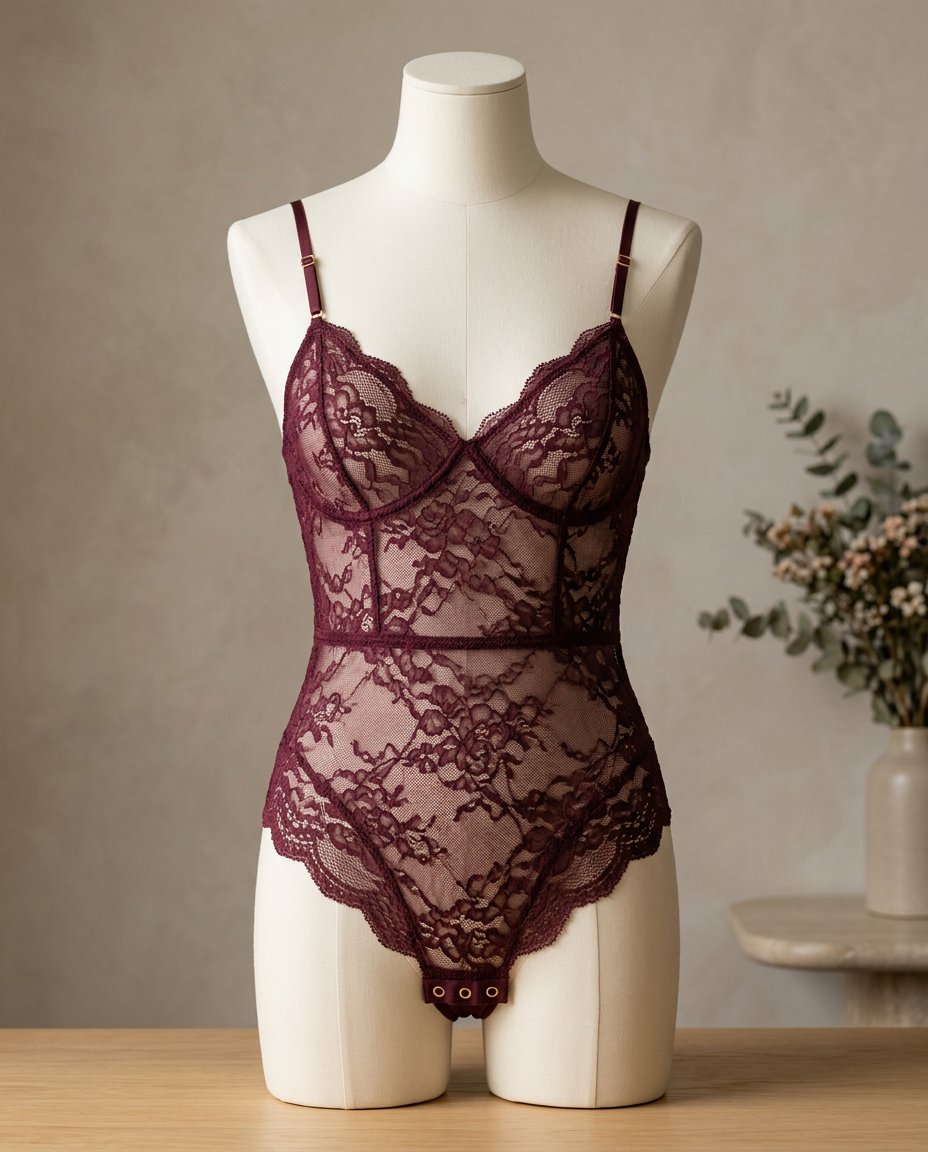
Mesh is the fabric behind most of our bodysuits. We use 40-denier mesh for thongs and a firmer 60-denier for bodysuits, so the piece holds its line instead of clinging. If a mesh garment feels scratchy, the culprit is usually a stiff yarn rather than the weave.
Silk-touch satin
“Satin” describes a weave, not a fibre. Ours is polyester with a brushed knit backing, which is why it glides on the outside and feels soft underneath. Real silk is beautiful and high-maintenance; a woven polyester satin will survive a honeymoon suitcase far better.
Care, briefly
Cold water, laundry bag, no dryer, dry flat in shade. Heat is what kills elastane — not wear. Most of the “stretched out” lingerie in the world was destroyed by a tumble dryer.
Browse the lace collection or read our shipping and returns policy if you want to try a fabric before committing.
- fabric
- care